
Indonesian culture and history form a living narrative that explains how this diverse archipelago has evolved over centuries. From ancient kingdoms and colonial encounters to modern nationhood, every aspect of Indonesian life is deeply rooted in its cultural heritage and historical experiences.
Understanding this connection is crucial to grasp how Indonesia’s traditions shape its education system, foodways, economic activities, healthcare practices, and even its technological innovations today. With over 300 ethnic groups, more than 700 local languages, and multiple faiths coexisting, Indonesia’s cultural landscape is one of the most diverse on Earth.
Crucially, Indonesian culture is not a static artifact to be admired from afar — it is a dynamic process that constantly adapts to change while preserving collective memory and local wisdom. This article invites you to explore that rich interplay between the past and present, offering a gateway to understand how history and culture continue to inform every dimension of Indonesia’s national life.
See Table of Contents
Indonesian Cultural History

This short video offers a clear and engaging overview of Indonesia’s history, from prehistoric settlements to powerful Hindu-Buddhist kingdoms, the spread of Islam, centuries of Dutch colonial rule, and the country’s hard-won independence. It also highlights Indonesia’s rich cultural diversity and vast archipelago, making it a perfect visual introduction for anyone new to Indonesia’s cultural story.
Indonesia’s cultural history is an intricate timeline that spans thousands of years, from prehistoric settlements and early agrarian communities to the rise of great kingdoms, the spread of world religions, centuries of colonial rule, and the achievement of independence. Each era left cultural footprints that continue to shape how Indonesians see themselves and the world around them today.
Ancient Hindu-Buddhist Civilizations
Between the 7th and 15th centuries, powerful Hindu-Buddhist kingdoms like Srivijaya and Majapahit shaped Indonesia’s early political structures, maritime trade networks, and vibrant court culture. Iconic temples such as Borobudur and Prambanan are not only archaeological marvels but also living heritage sites that still inspire rituals, art, and local storytelling traditions.
For a deeper look at this remarkable era, explore our dedicated piece:
Unraveling Indonesia’s Ancient Roots: The Enduring Legacy of Hindu-Buddhist Civilizations.
Islamic Influence and European Colonization
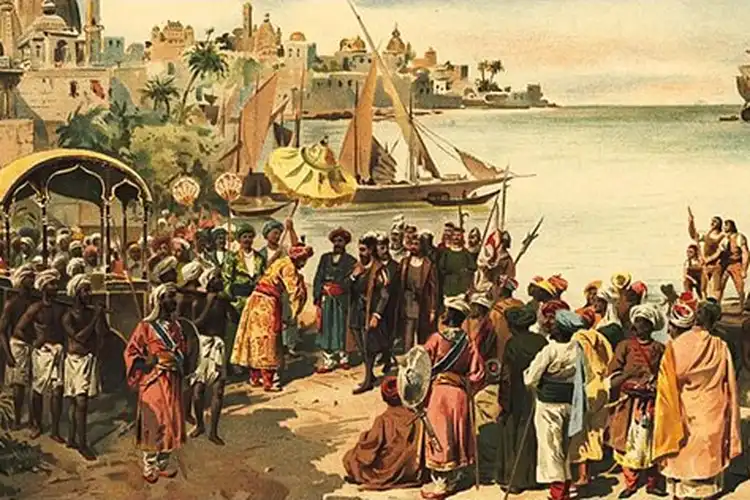
Starting around the 13th century, Islam spread throughout the archipelago via coastal trade routes and traveling scholars. Instead of erasing existing beliefs, Islamic practices blended with local traditions, resulting in unique expressions of faith and community life. From the 16th century onward, European colonial powers—especially the Dutch—established political and economic control for more than 300 years, reshaping Indonesia’s cultural and social landscapes in complex ways.
The Road to Independence
After centuries under colonial rule, Indonesians from diverse backgrounds came together to build a modern national identity. Intellectuals, religious leaders, and local communities united in a shared vision of freedom, culminating in the historic declaration of independence in 1945. The resilience and unity forged during this period remain at the heart of Indonesia’s cultural identity today.
Social Diversity and Cultural Identity
This video offers a vivid glimpse into Indonesia’s rich social diversity, highlighting how hundreds of ethnic groups and languages live side by side under a shared national identity. Through everyday scenes and community traditions, it shows how the motto “Unity in Diversity” (Bhinneka Tunggal Ika) is more than just words — it’s a living value that shapes daily life and keeps people connected across differences.
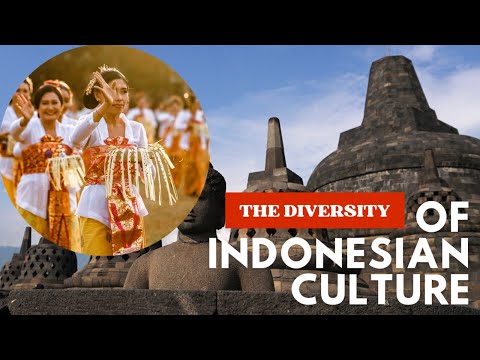
Indonesia is one of the most culturally diverse countries in the world. With more than 300 ethnic groups, over 700 local languages, and countless living traditions, this diversity shapes how communities interact, share resources, and resolve conflicts. Despite these differences, Indonesians uphold shared cultural values that bind them together as one nation.
Gotong Royong and Musyawarah
One of the strongest cultural values across Indonesia is gotong royong, which means mutual cooperation for the common good. This spirit of helping each other is visible in rural farming, urban neighborhoods, and community events. Equally important is musyawarah, or consensus-based decision-making, which emphasizes open dialogue and collective agreement. Together, these practices reflect how Indonesians maintain social harmony and trust within diverse communities.
National Symbols and Tolerance
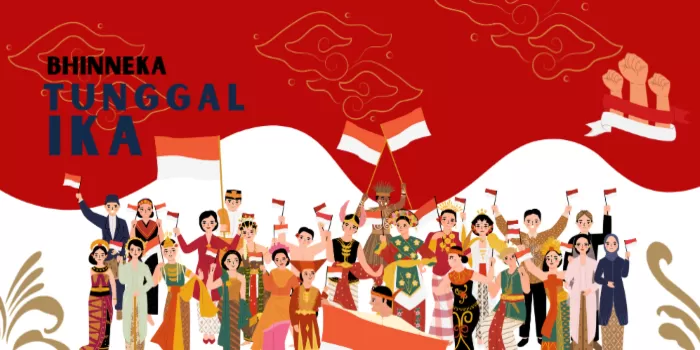
Indonesia’s motto, Bhinneka Tunggal Ika — “Unity in Diversity” — symbolizes the nation’s commitment to coexistence among different ethnicities, religions, and languages. National symbols like the Garuda emblem and the red-and-white flag represent this shared identity, while local customs and interfaith events demonstrate everyday tolerance and respect for differences.
Character Education
These cultural values are not only preserved through family and community life but also taught in schools as part of character education. Indonesian students learn about integrity, respect, and civic responsibility — principles rooted in traditional values like gotong royong and musyawarah.
If you’d like to see more concrete examples of how culture and history shape education in Indonesia, we’ve prepared a dedicated discussion with real contexts and case studies. You can start by reading The Influence of Culture and History on Education in Indonesia. For a broader view on how cultural identity connects with the entire education system, check out our main pillar: Education in Indonesia.
Living Spaces: Rural, Urban, and Maritime Cultures
Indonesia’s cultural identity is deeply shaped by the diverse landscapes where people live and work. From rice paddies in remote villages to the bustling streets of cities and the vast coastal waters, each environment influences how communities organize daily life, maintain traditions, and adapt to change. This section explores how rural, urban, and maritime cultures reflect the country’s strong connection to land and sea.
This video offers an intimate look at rural Indonesian life, narrated in clear English and guided by a local community leader. It highlights agricultural practices, daily routines, and traditional ceremonies, giving international viewers a vivid sense of how villagers live in harmony with the land and each other — perfectly echoing the essence of the “Rural Culture” section.

Rural Culture
In Indonesia’s rural areas, community life often revolves around agriculture and local wisdom passed down through generations. Villagers practice gotong royong — working together in planting, harvesting, and maintaining irrigation systems. Rituals marking the harvest season are still widely held and showcase the spiritual bond between people and nature.
For an example of a vibrant harvest tradition, see our feature on the Mappadendang Bugis Harvest Festival.
Urban Culture
Indonesia’s cities are dynamic melting pots where traditional values blend with modern lifestyles. Rapid urbanization has transformed how people live, work, and socialize. City life often means faster routines, diverse neighborhoods, and a growing creative industry. Even so, elements of traditional community ties and mutual support still surface through neighborhood gatherings and local initiatives.
Maritime Culture
As an archipelagic nation, Indonesia has long been shaped by its coastal communities. Fishermen, traders, and maritime cultures have preserved unique knowledge of the sea, weather patterns, and sustainable practices. This deep connection with the ocean is not only part of everyday survival but also vital for conservation efforts.
To learn more about how coastal communities help protect Indonesia’s marine biodiversity, visit our page on Biodiversity and Conservation Efforts.
Culture of Farmers and Fisherfolk in Indonesia
Farming and fishing communities play a vital role in Indonesia’s cultural heritage and everyday life. From rice paddies and mountain terraces to coastal villages, farmers and fisherfolk preserve local wisdom, traditional practices, and deep spiritual ties with nature. Their ways of working the land and sea continue to reflect ancient knowledge passed down through generations.
This intimate video follows an Indonesian farming family over a season, showcasing their daily routines—from planting seeds to harvesting produce—and highlighting the deep connection between generational knowledge, sustainable farming practices, and local community life.

Experience a day with Indonesian fishing communities practicing traditional pole-and-line methods—this video offers a close-up of their sustainable techniques, deep knowledge of the sea’s rhythms, and the cooperative spirit that defines coastal life.

Traditional Farming Systems
Across Indonesia’s rural heartlands, traditional farming systems are rooted in community cooperation and respect for the environment. Many villages still practice communal labor, rotate crops sustainably, and share irrigation through ancient methods like Bali’s Subak. These systems are not only about survival but also about sustaining social bonds and local identity.
Agricultural Rituals
Rituals tied to planting and harvest seasons show how deeply agriculture and spirituality are linked in Indonesian culture. Ceremonies often involve prayers, offerings, and communal feasts to honor the earth and ancestors.
For a vivid example, read our in-depth piece on the Mappadendang Bugis Harvest Festival, which celebrates the rice harvest with music and dance.
Fisherfolk Life
In thousands of coastal communities, fishing remains a cornerstone of local economies and cultural traditions. Fisherfolk rely on inherited knowledge of tides, currents, and weather patterns. Many still perform rituals to honor the sea’s spirit and ensure safety.
To discover more about Indonesia’s breathtaking coastal life, explore our feature on the Natural Beauty of Indonesia.
Artistic Expressions and Cultural Heritage
Indonesia’s cultural richness is perhaps most visible in its vibrant artistic traditions and living heritage. From dazzling dance performances and mesmerizing music ensembles to intricate crafts and visual arts, these creative expressions not only preserve ancestral wisdom but also adapt to modern times, ensuring that Indonesia’s cultural identity stays alive across generations.
Performing Arts
Dance and theatre are powerful storytelling mediums in Indonesia, often rooted in ancient myths and local legends. Traditional dances like the Balinese Legong, Javanese Wayang Wong, or Saman from Aceh combine graceful movement, symbolic costumes, and rhythmic music. These performances are more than entertainment; they teach moral lessons and celebrate community values.
This video presents a mesmerizing performance of the Legong Keraton Lasem court dance, featuring elaborate costumes and refined movement. It offers viewers insight into Bali’s royal artistic tradition and the storytelling power of Indonesian dance.

For a closer look at iconic dances from across the archipelago, explore our feature on the Top 10 Traditional Indonesian Dances.
Traditional Music
Indonesia’s traditional music is equally diverse, with the Gamelan ensemble standing out as one of the most well-known forms. Gamelan blends percussion, metallophones, and bamboo flutes in harmonious layers, often accompanying dances, puppet shows, and community ceremonies. Its timeless melodies remain a vital link between the past and present.
A vibrant medley combining gamelan styles from Java, Sunda, and Bali, this video immerses audiences in the rich textures and rhythms that define Indonesia’s traditional ensemble music, highlighting its communal and ceremonial role.

Discover how Gamelan continues to inspire new generations in our dedicated article: Gamelan: The Enduring Harmony of Indonesian Traditional Music.
Handicrafts and Visual Arts
Beyond performing arts and music, Indonesia’s rich tradition of handicrafts and visual arts reflects each region’s unique identity. From batik textiles and woodcarving to intricate silverwork and painting, these crafts are deeply intertwined with rituals, social status, and daily life. Many artisans today continue these techniques while experimenting with new forms, ensuring the continuity and evolution of Indonesia’s creative heritage.
Religion and Spirituality in Everyday Life
Religion is deeply woven into the fabric of daily life in Indonesia, influencing everything from family customs to community celebrations. With the world’s largest Muslim population and vibrant communities of Hindus, Buddhists, Christians, and local belief systems, Indonesia’s spiritual landscape is marked by coexistence and cultural blending that has evolved over centuries.
This documentary provides a captivating overview of Indonesia’s spiritual diversity, covering six officially recognized religions alongside numerous indigenous belief systems. Through engaging interviews and immersive visuals, it reveals how faith shapes social norms, rituals, and interfaith harmony—perfect for readers seeking insight into how spirituality weaves into daily life across the nation.

Majority and Minority Religions
Islam is the predominant religion in Indonesia, but Hinduism, Buddhism, Christianity, and local indigenous faiths play equally vital roles in shaping regional identities. From Bali’s Hindu temples to the Christian churches in Eastern Indonesia, each community finds ways to practice its beliefs while contributing to a broader culture of mutual respect and tolerance.
Rituals and Festivals
Religious rituals and festivals bring people together across generations. Annual celebrations like Eid al‑Fitr, Galungan in Bali, Waisak for Buddhists, or Christmas in North Sulawesi illustrate the diversity of Indonesia’s spiritual life. Many local communities also maintain unique ceremonies that combine ancient customs with modern faith, strengthening social bonds and cultural identity.
To discover how Indonesia’s rich spiritual traditions come alive through ceremonies, prayers, and cultural gatherings, explore our full article on Rituals and Festivals in Indonesia — a celebration of faith, community, and harmony across the archipelago.
Syncretism and Sacred Sites
Indonesia’s long history of cultural exchange has created sacred sites where multiple spiritual influences come together. Mosques, temples, and shrines often stand side by side, reflecting centuries of syncretism and mutual respect.
A fascinating example is the Kanoman Palace Mosque in Cirebon, which blends Islamic architecture with Javanese royal traditions — learn more in our case study: Unveiling Indonesian Cultural Mosaic.
Cultural Relations with Nature and Ecology
For centuries, Indonesians have developed unique ways of living in balance with their natural surroundings. From rice terraces carved into mountainsides to sacred forests and coastal mangroves, these local ecological traditions reflect deep respect for nature. Today, communities face the challenge of preserving these practices in the face of rapid modernization.
This documentary explores how indigenous communities in Sumatra balance traditional livelihoods with the conservation of tropical rainforest ecosystems. It reveals the intricate knowledge systems—such as forest rituals and ecological taboos—that have sustained biodiversity for generations, perfectly illustrating the real-life link between culture and ecology in Indonesia.

Local Environmental Wisdom
Indonesia’s traditional ecological knowledge is embedded in everyday life. Communities in Bali, for example, maintain the Subak irrigation system, while coastal villages use customary sea tenure to protect fish stocks. These time-tested practices show how culture and ecology are deeply intertwined.
Challenges of Modernization
Urban growth, industrial expansion, and climate change increasingly test the resilience of local wisdom. Younger generations often migrate to cities, leaving behind knowledge that once ensured sustainable resource use. Balancing development with environmental stewardship remains an urgent cultural issue.
Biodiversity Preservation
Local traditions play a vital role in conserving Indonesia’s unique biodiversity. Community forests, sacred groves, and customary fishing zones help protect endangered species and ecosystems.
To explore how Indonesia’s communities contribute to conservation today, visit our page on Biodiversity and Conservation Efforts.
Culture and the Dynamics of Modernity
Indonesia’s cultural landscape continues to evolve as global influences, technological change, and urbanization reshape daily life. From youth communities embracing new trends to creative industries blending traditional art with modern design, these shifts show how Indonesian culture adapts while staying rooted in local values.
This video offers insight into how Indonesia’s creative economy is evolving, featuring urban artists, designers, and innovators who blend tradition with modernity. Showcasing examples from fashion, digital media, and cultural hubs, it highlights how cultural identity and economic innovation intersect in contemporary Indonesia.

Globalization and Young Generations
Younger Indonesians today are more connected than ever through digital media, international education, and global pop culture. While this opens new opportunities, it also challenges families and communities to maintain local identity in an interconnected world.
Urban Creative Industries
Urban centers like Jakarta, Bandung, and Yogyakarta have become hubs for fashion, music, visual arts, and digital startups. Many young creatives draw on traditional motifs and local stories to build unique brands that resonate both locally and internationally.
Technological Innovation
Technology and innovation are key to Indonesia’s dynamic cultural future. From village-based renewable energy to cutting-edge fintech in cities, new ideas reflect a blend of global knowledge and local ingenuity.
For inspiring stories of how Indonesians innovate in their own way, read our special feature: Innovation in Indonesia.
Cultural Influence on Other Aspects of Life
Indonesian culture does not exist in isolation — it shapes and is shaped by nearly every part of daily life. From how children learn in schools to how communities grow their food, care for the sick, do business, and invite travelers, culture provides the invisible threads that tie people together across diverse regions and lifestyles.
Culture and Education
Traditional values like respect for elders, mutual cooperation, and local wisdom influence how learning is passed down through families and formal schools. Community-based learning remains vital, especially in rural areas.
Discover how cultural identity shapes classrooms in our article on Education in Indonesia.
Culture and Food
Indonesia’s culinary heritage is a testament to its diverse ethnicities and local ingredients. Food rituals, communal feasts, and traditional farming methods all reflect deep cultural values.
Explore iconic dishes and the cultural stories behind them in our guide to Traditional Indonesian Food.
Culture and Healthcare
Many Indonesians still rely on traditional healers and local herbal knowledge alongside modern medicine. Cultural beliefs about health and illness shape family care, community practices, and public health strategies.
Learn more in our comprehensive guide to the Healthcare System in Indonesia.
Culture and Economy
From local markets to creative startups, cultural practices influence how business is done. Traditional crafts, community trade networks, and the growing creative economy all show how culture and livelihoods are deeply connected.
For insights into this cultural dimension, visit our overview of the Economy of Indonesia.
Culture and Tourism
Indonesia’s rich cultural traditions attract millions of visitors each year. From temple ceremonies to rural festivals and living heritage villages, tourism depends on cultural preservation and respectful storytelling.
See how culture and travel connect in our guide to Indonesia’s Tourist Destinations.
Frequently Asked Questions About Indonesian Culture and History
Why is Indonesia known for its cultural diversity?
Indonesia is home to more than 300 ethnic groups and over 700 local languages, which makes its cultural landscape one of the most diverse in the world. This diversity is reflected in its traditional arts, rituals, and daily community life.
How does Indonesia’s history shape its culture today?
Indonesia’s culture is deeply rooted in its history, from the ancient Hindu-Buddhist kingdoms to the arrival of Islam, colonial rule, and the struggle for independence. These layers of history influence local customs, arts, and religious practices.
What role does local wisdom play in environmental conservation?
Many Indonesian communities rely on traditional knowledge, such as sustainable farming, sacred forests, and local rituals, to protect biodiversity. This connection between culture and nature is still alive in rural and coastal areas.
How is modernity changing Indonesian cultural identity?
Globalization and technology bring new trends that influence youth, creative industries, and urban lifestyles. However, local communities continue to balance modern influences with efforts to preserve traditional values and heritage.
How can we help preserve Indonesian culture?
Learning about cultural diversity, supporting local artisans and traditional performances, and practicing respectful tourism are some ways to help protect Indonesia’s living cultural heritage for future generations.
Trusted References
Wohangara, Y. R., Pati, D. P., & Londa, E. (2023). Sumbanese’s Traditional Ecological Knowledge (TEK): Warung Hupu Liku Ritual and Ecological Ethics. CELT: A Journal of Culture, English Language Teaching & Literature. https://doi.org/10.24167/celt.v23i2.9812
Siahaya, M. E., Hidayat, M., & Rahayu, S. (2016). Traditional ecological knowledge on shifting cultivation and forest management in East Borneo, Indonesia. Biodiversity. https://doi.org/10.1080/21513732.2016.1169559
Susanti, R., & Zuhud, E. A. M. (2019). Traditional ecological knowledge and biodiversity conservation: The medicinal plants of the Dayak Krayan people in Kayan Mentarang National Park, Indonesia. Biodiversitas Journal of Biological Diversity. https://doi.org/10.13057/biodiv/d200943
Daryanto, A., Rustopo, & Sunarto. (2020). The Aesthetics of Surakarta Palace’s Karawitan According to Serat Sri Karongron. Dewaruci: Journal of Arts Studies. https://jurnal.isi-ska.ac.id/index.php/dewaruci/article/view/2766
Suwignyo, A. (2019). Gotong royong as social citizenship in Indonesia, 1940s to 1990s. Journal of Southeast Asian Studies. https://doi.org/10.1017/S0022463419000407
Rozari, P. E. de, Polinggomang, Y., & Fanggidae, A. H. J. (2024). Sustainable ecotourism and creative economy development model with local wisdom perspective: A case study in Alor, East Nusa Tenggara. Journal of Tourism Economics and Policy. https://journalkeberlanjutan.com/index.php/jtep/article/view/1124
Marlina, E., & Herawan, T. (2022). Geotourism concept development in the basis of environment sustainability, socioculture, and natural science wealth: A case study in Gunungkidul, Indonesia. Journal of Environmental Management and Tourism. https://doi.org/10.14505//jemt.11.1(41).17
Setiawati, N., & Pamungkas, E. (2022). How important is environmentally sustainable tourism? Evidence in Indonesia from 1974–2018 using NARDL cointegration. Jurnal Ekonomi & Studi Pembangunan. https://doi.org/10.18196/jesp.v23i2.15238
Tueka, F., Basuni, S., & Kosmaryandi, N. (2024). The environmental education tourism development design concept in Citic Seram Energy area, Maluku Province. Media Konservasi. https://doi.org/10.29244/medkon.29.2.304
Purbasari, R., Wijaya, C., & Rahayu, N. (2019). Entrepreneurial Ecosystem and Regional Competitive Advantage: A Case Study on the Creative Economy of Indonesia. Advances in Social Sciences Research Journal. https://doi.org/10.14738/assrj.66.6652