
The Economy of Indonesia is one of the most dynamic in Southeast Asia, playing a vital role in regional and global markets. Understanding the structure and challenges of Indonesia’s economy helps you see its impact on trade, investment, and everyday life. This pillar article explores how the country’s economic drivers shape its growth and development.
Besides covering the Indonesian economy, this guide highlights key sectors, influencing factors, and real-world impacts in depth. Indonesia Overview is committed to providing trusted insights so you can grasp the big picture behind the nation’s economic landscape. Let’s dive into the details together.
See Table of Contents
Major Economic Sectors Driving Indonesia’s Growth
This video, “How Big is Indonesia’s Economy?”, gives an insightful look at the size of Indonesia’s economy and the role of its three major sectors: agriculture, manufacturing, and services. With clear visuals and data, it explains how each sector contributes to national GDP. It sets the stage for a deeper understanding of Indonesia’s economic foundations.
Overview of Indonesia’s Economic Sectors
Indonesia’s economy is built on three main pillars: agriculture, manufacturing, and services. Together, they contribute significantly to employment and GDP. This diverse structure is key for long-term economic stability and competitiveness.
Agriculture remains essential for food security and rural livelihoods. Manufacturing drives industrialization and exports, while services—especially the digital sector—are growing rapidly. These trends highlight Indonesia’s transition to a more balanced and resilient economy.
Strengthening all three sectors equally is vital to boost Indonesia’s position in regional and global markets. The following sections break down each sector’s unique role in driving growth.
Agriculture’s Role in National Growth
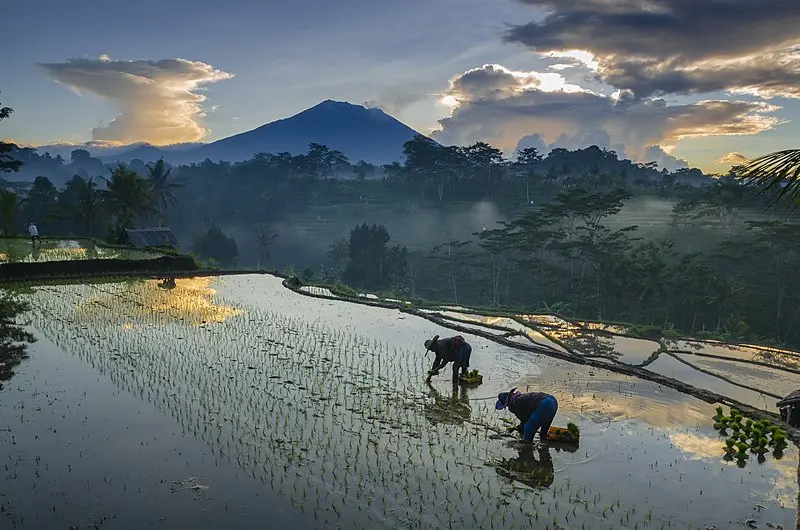
Agriculture has long been Indonesia’s economic backbone, employing millions and supplying key commodities such as rice, palm oil, and coffee. It not only feeds the nation but also supports export markets. The sector plays a critical role in ensuring national food security.
Despite its importance, agriculture faces challenges like land conversion, climate change, and slow technology adoption. Smallholder farmers still dominate production. For more context, read our article on Indonesian Agriculture.
Future strategies focus on boosting productivity and promoting sustainable practices. The government encourages agrotechnology to help the sector adapt to global demands. As a result, agriculture remains a crucial pillar for balanced national growth.
Industrial and Manufacturing Performance

The manufacturing sector is a major driver of Indonesia’s GDP and exports. Key industries include automotive, textiles, electronics, and food processing. This sector attracts significant foreign investment and creates millions of jobs.
Improving competitiveness and embracing advanced technology remain top priorities. Many factories are moving toward automation and digitalization to stay relevant. For a detailed look, check out our article on Indonesia’s Manufacturing Sector.
Government incentives and industrial zones support continued growth. Strengthening local supply chains and producing more value-added goods will help the sector remain resilient in a fast-changing global market.
Service Sector and Digital Transformation
In recent years, the service sector has emerged as the fastest-growing contributor to Indonesia’s GDP. Financial services, telecommunications, and digital platforms are expanding rapidly. This reflects changing consumer behavior and increased tech adoption.
Segments like fintech, e-commerce, and the creative economy attract both domestic and international investment. They also generate new jobs and drive innovation. For more insight, read our dedicated piece on the Service Sector in Indonesia.
To sustain this momentum, the government continues to improve digital infrastructure and regulations. These efforts are crucial for creating an inclusive, tech-driven economy that benefits all Indonesians.
Challenges and Future Trends
Each sector faces unique challenges, from technological gaps and supply chain bottlenecks to environmental concerns. Without continuous innovation, Indonesia risks losing its regional competitiveness.
Future trends show that sustainability and digitalization are key pathways forward. Agriculture is embracing smart farming, manufacturing is investing in Industry 4.0, and services are expanding through digital inclusion. These trends shape how the economy evolves in the coming years.
By tackling these challenges and seizing new opportunities, Indonesia can build a resilient, balanced, and inclusive economy. For a deeper look at these challenges and trends, read our full breakdown in Economic Challenges & Future Trends in Indonesia. The next section explores the factors that influence this journey.
Next, let’s examine the domestic and global factors that impact Indonesia’s economic performance.
Foreign Investment and Trade Relations

This video interview with Indonesia’s Investment Minister provides an overview of how the country is strengthening its foreign investment climate and expanding trade partnerships. It highlights priority sectors, policy reforms, and the importance of global collaboration to boost national growth.
Main Export Commodities
Indonesia’s export economy relies heavily on key commodities such as palm oil, coal, nickel, textiles, and electronics. The country has become one of the world’s top exporters of refined nickel following its ban on raw ore exports. These commodities generate crucial foreign exchange and support wider economic development.
However, Indonesia aims to move beyond raw exports by encouraging more downstream processing. This approach adds value to natural resources and attracts higher-quality foreign investment. Industrial zones and special economic areas are also expanding to support this shift.
New trade agreements are expected to help Indonesia diversify its export markets. For example, the anticipated EU–Indonesia Free Trade Agreement aims to open wider access for Indonesian products in Europe while attracting sustainable investments.
For readers who want a closer look at what drives Indonesia’s economic strength, we’ve prepared an in-depth guide exploring the main export commodities — from palm oil and coal to nickel and manufactured goods. Discover the trends and challenges shaping these sectors in our full article on Main Export Commodities in Indonesia.
Major Trading Partners
China has been Indonesia’s largest trading partner for several years, with total trade value reaching over $140 billion recently. Other major partners include Japan, the United States, South Korea, Singapore, and Australia. These countries are important destinations for Indonesia’s raw and semi-processed goods.
Regional partnerships through ASEAN play a big role as well. Agreements such as the Indonesia–Australia Comprehensive Economic Partnership Agreement (IA–CEPA) have reduced tariffs and simplified trade procedures, creating new business opportunities for exporters and investors alike.
Indonesia continues to negotiate new trade deals with the EU and the US to secure better market access and align product standards. These efforts help reduce reliance on any single market and increase the country’s economic resilience.
Who are Indonesia’s biggest trading partners and what products drive the country’s global trade? From China and the United States to ASEAN markets, Indonesia’s international trade relations shape its economic growth and global competitiveness.
Explore the complete guide: Indonesia’s Major Trading Partners and Global Trade Relations .
Investment Climate and Policies
In recent years, Indonesia has taken major steps to improve its ease-of-doing-business ranking. The Job Creation Law and the Omnibus Law have streamlined licensing, cut red tape, and provided clearer guidelines for foreign investors. These reforms aim to make Indonesia more attractive to international businesses.
The Indonesia Investment Authority (INA), established in 2021, acts as a sovereign wealth fund to co-invest in strategic projects with global partners. Its focus includes infrastructure, renewable energy, and logistics—areas with strong foreign investor interest.
Other initiatives, such as improving dispute resolution and promoting transparency, help build trust with foreign investors. Continued investment in transport, ports, and digital infrastructure will further strengthen Indonesia’s appeal as an investment destination.
Trade Agreements and Regional Integration
Free trade agreements and regional partnerships are key tools for Indonesia’s trade and investment growth. The EU–Indonesia CEPA under negotiation aims to remove barriers for agricultural, seafood, and manufactured goods. It also seeks to boost EU investment in sectors like renewable energy and value-added mineral processing.
Other recent agreements, such as the Indonesia–South Korea CEPA and the Indonesia–Australia CEPA, have already opened up new trade and investment opportunities by removing or lowering tariffs and aligning regulations.
By expanding its network of trade deals, Indonesia reduces dependency on commodity price cycles and strengthens its role within global supply chains.
Barriers and Future Outlook
While progress has been made, challenges remain. Complex regulations, inconsistent policy implementation across regions, and infrastructure gaps can discourage investors. Overlapping laws and legal uncertainty are also ongoing concerns.
Global geopolitical tensions, especially between major economies, can influence investment flows into Indonesia—particularly in critical sectors like minerals and energy. To manage these risks, the government continues to improve governance and legal frameworks.
Future policy priorities include better alignment with international standards, stronger environmental and social governance (ESG) practices, and greater support for sustainable investments. These measures will help Indonesia maintain momentum as a competitive player in global trade and investment.
In the next section, we will explore how tourism and the creative economy contribute to Indonesia’s diverse economic landscape.
Tourism and Creative Economy

This video, “Indonesia travel boom: Analysts project economic boost”, shows how the country’s tourism industry is bouncing back rapidly, especially during holiday seasons like Eid-al-Fitr. It explains how increased travel flows, improved policies, and government support help revive the sector as a vital contributor to Indonesia’s economy.
Tourism’s Contribution to GDP
Tourism has long been one of Indonesia’s biggest sources of foreign exchange and employment, accounting for about 5–6% of GDP before the pandemic. After COVID-19, the sector is recovering fast thanks to rising domestic and international visitor numbers.
Millions of Indonesians depend on tourism-related jobs in hospitality, transport, and local businesses. This broad impact helps regional economies grow more evenly across the archipelago.
The government is now focusing on balancing growth with sustainability to protect destinations and ensure tourism remains resilient in the long term.
Cultural and Creative Industries
Indonesia’s creative industries include cultural tourism, performing arts, film, crafts, and fashion that attract visitors worldwide. Events like the Ramayana Ballet at Prambanan and local craft markets help preserve heritage while generating income.
Indonesian films and music are also gaining international recognition, opening new opportunities for creative professionals and entrepreneurs. This sector helps strengthen Indonesia’s cultural diplomacy and soft power globally.
Local communities benefit from training programs and partnerships that develop creative talent, adding unique value to the tourism experience.
Impact on Local Communities
Tourism growth brings economic benefits to small businesses—homestays, restaurants, guides, and artisans. Many regions now promote community-based tourism to ensure that local people gain direct income and preserve their culture.
However, overtourism in popular areas like Bali has caused challenges such as crowded streets, environmental damage, and rising living costs. Regional governments are working to manage these problems with better planning and regulation.
Balancing tourism potential with sustainability is key to protect communities and natural assets for future generations.
Post-Pandemic Recovery and Growth Strategies
Policies such as visa-free entry for certain countries, expanded flight routes, and aggressive promotion campaigns have helped revive visitor numbers. Key target markets include China, Australia, and Europe.
Destinations like Bali have already seen millions of foreign arrivals this year, showing strong momentum for the sector’s recovery.
While this growth supports national income, responsible development remains crucial to prevent issues like congestion and cultural erosion.
Sustainable Tourism Practices
Some regions are taking bold steps to protect the environment and local communities. For example, Bali has introduced a moratorium on new hotel construction and implemented a tourist levy to help fund conservation efforts.
Better waste management, infrastructure upgrades, and clear visitor guidelines are part of Indonesia’s plan to keep destinations clean and attractive.
Focusing on quality tourism rather than just increasing visitor numbers will help the creative economy stay vibrant and sustainable.
Next, we will look at the factors that most strongly influence Indonesia’s economic performance, both domestically and globally.
Factors Influencing the Indonesian Economy
This video, “Charting Indonesia’s Economic Trajectory and Navigating Geopolitics”, explores how internal dynamics and external forces shape Indonesia’s economy. It examines political stability, natural resource management, demographic trends, regional disparities, and global pressures affecting Indonesia’s growth path.
Political Stability and Governance
Indonesia’s political environment plays a key role in shaping investor confidence and economic policy. Consistent leadership and the gradual strengthening of democratic institutions have helped stabilize macroeconomic planning.
Anti-corruption efforts and legal reforms aim to enhance transparency and governance, which in turn support improved business regulations and public spending efficiency.
However, frequent policy changes or regional autonomy variations may create uncertainty. Continued efforts toward centralized but consultative governance remain essential for sustainable growth.
Natural Resources and Environmental Factors
Indonesia is rich in natural resources: coal, palm oil, timber, nickel, and other minerals. These assets provide a strong revenue base, especially for exports.
At the same time, resource extraction can strain ecosystems through deforestation and pollution. Balancing resource use with conservation is becoming increasingly important.
Moreover, climate change and environmental degradation pose long-term threats to agriculture, fisheries, and rural communities, underscoring the need for sustainable policies.
Demographics and Labor Force
With over 270 million people, Indonesia has a large and young population, creating opportunities for economic expansion through a growing labor force and consumer base.
However, challenges include the need for quality education, vocational training, and job creation to fully capitalize on this demographic dividend.
Urban migration continues, accelerating demand for jobs and infrastructure in cities but also increasing pressure on social services and housing.
Urbanization and Regional Disparities
Urban centres like Jakarta, Surabaya, and Bandung serve as economic powerhouses in Indonesia, contributing a large share of GDP. This concentration drives national economic activity.
But other regions lag behind, facing limited access to infrastructure and investment. Reducing disparities between regions is a priority for inclusive growth.
The government’s infrastructure drive—including new cities and logistics hubs—aims to connect remote areas and unlock regional potential.
Global Economic Trends and External Shocks
Indonesia’s economy is tied to global trends such as commodity price movements, supply chain shifts, and changing trade policies. These can significantly affect growth expectations.
Geopolitical tensions, such as U.S.–China competition, influence investment decisions and trade flows, especially in commodities and manufactured goods.
Resilience to these external shocks requires diversified trade partners, flexible fiscal policies, and responsive monetary frameworks to navigate uncertainty.
In the next section, we’ll explore the real-world impacts of Indonesia’s economic development on society, environment, and inequality.
Real‑World Impacts of Indonesia’s Economic Growth
This video, “Why Indonesia is Still Poor, Despite Natural Resource Abundance”, explains the paradox of Indonesia’s economic growth: while GDP expands, millions still face poverty, inequality, and environmental trade-offs. It highlights real-life impacts on society and why inclusive and sustainable growth remains critical.
Poverty Reduction and Middle‑Class Growth
Indonesia’s steady economic development has lifted millions out of poverty. A growing urban middle class now fuels demand for housing, education, and modern services. Yet, income inequality persists between urban and rural areas.
Living standards have improved in many cities, but remote communities continue to struggle. To close this gap, the government must sustain inclusive policies and social programs targeting the poorest households.
Urbanization Pressures
Economic opportunity draws people into major cities like Jakarta and Surabaya. This urban migration boosts productivity but strains infrastructure, housing, and public services.
Many urban fringe areas have turned into informal settlements lacking clean water and healthcare. Effective urban planning is vital to manage these pressures and prevent the spread of unplanned slums.
Environmental Impacts
Indonesia’s growth is tied to resource industries such as palm oil and mining, which have caused deforestation and loss of biodiversity. These practices contribute to carbon emissions and climate risks.
Meanwhile, coastal cities face threats like flooding and land subsidence due to rapid expansion and poor drainage systems. Sustainable development policies are needed to protect communities and ecosystems.
Regional Inequality
Economic activity remains concentrated in Java and a few urban hubs, leaving eastern regions less developed. Papua and parts of Sulawesi and Maluku face limited access to quality infrastructure, education, and healthcare.
Closing this gap requires fair public spending, improved logistics, and stronger local economies to ensure no region is left behind as the nation grows.
Social and Cultural Change
Modernization and globalization are reshaping Indonesian society. More young people pursue work or study abroad, reflecting both ambition and uneven domestic opportunities.
On the positive side, tourism and creative industries help preserve traditional crafts and promote cultural heritage worldwide. Balancing cultural pride with economic modernization will remain a delicate task.
Next, we will look at how Indonesia addresses these impacts through sustainability and a greener economy for the future.
Green Economy and Sustainability
This video, “Indonesia’s Energy Leap: Can RUKN Ignite a Global Renewable Future?”, explores how Indonesia is advancing its green economy through national energy planning, renewable energy projects, and industrial policy. It highlights the country’s efforts to shift from coal dependency to sustainable energy sources and ignite green investments across critical sectors.
Renewable Energy Goals and Projects
Indonesia aims to increase its share of renewables to 23% of its energy mix by 2025 and reach 31% by 2050. Major projects include geothermal, hydropower, solar, and biomass installations across the archipelago.
These projects are designed to reduce greenhouse gas emissions, enhance energy security, and reduce reliance on fossil fuels. Collaboration between state-owned utilities and private investors plays an important role in project execution.
Successful implementation of these initiatives will help Indonesia meet its international climate commitments and create more green jobs nationwide.
National Policies and Regulatory Framework
The government’s National Energy Plan (RUKN) sets clear targets for decarbonization and clean energy investment. New regulations aim to encourage private sector participation through feed-in tariffs, tax incentives, and public–private funding schemes.
Efforts are also focused on strengthening environmental and social governance standards in energy and mining sectors. This includes improving project transparency and stakeholder engagement.
Alignment of policies across multiple ministries improves regulatory certainty and raises confidence among international green investors.
Green Jobs and Economic Diversification
Investments in renewable energy, electric vehicles, recycling, and green infrastructure are creating new employment opportunities beyond conventional sectors. These green jobs promise to support sustainable urban growth and rural development.
Meanwhile, efforts in circular economy—such as recycling programs and waste-to-energy plants—support Indonesia’s goals for sustainable industrialization and reduced environmental pollution.
The expansion of these sectors enables a broader economic base, creating more diversified and resilient growth pathways.
Environmental Equity and Community Benefits
Green development projects include community-based energy microgrids, especially in remote regions, ensuring reliable electricity access and increasing livelihoods. Such initiatives empower local populations and reduce inequality.
Support programs train local workers in technical and managerial roles, promoting inclusive participation. Sustainable value chains in forestry and agriculture also contribute to both conservation and community welfare.
This community focus ensures that the green economy brings tangible benefits to people across the archipelago.
Challenges and the Way Forward
Despite strong ambitions, Indonesia’s green transition faces obstacles: financing constraints, complex stakeholder coordination, and dependence on global commodity cycles for green materials like nickel.
To overcome these hurdles, Indonesia must strengthen policy frameworks, build green finance mechanisms, and promote technology transfer. Consistency in implementation is key.
With appropriate strategies, Indonesia can transform environmental challenges into economic opportunities, achieving sustainable and inclusive growth in the years ahead.
This completes our deep dive into how Indonesia is cultivating a rise in its green economy. Let’s conclude with an integrated summary and find out how these themes connect in the final section.
Frequently Asked Questions about the Economy of Indonesia
What are the main sectors in Indonesia’s economy?
Manufacturing, services, agriculture, natural resources, and tourism together drive Indonesia’s GDP and employment.
How does foreign investment impact Indonesia?
It funds infrastructure and industry growth, creates jobs, and supports technology transfer.
What are Indonesia’s key economic challenges?
Inequality, environmental concerns, over-reliance on raw commodities, and workforce skills gaps remain big issues.
What steps is Indonesia taking toward a green economy?
Indonesia is boosting renewables, promoting green jobs, and adopting sustainability-focused policies.
How do global trends affect Indonesia’s economy?
Global prices, trade shifts, and investment flows directly influence Indonesia’s growth and stability.
Indonesia’s Economy: Key Takeaways and Outlook
Indonesia’s economy keeps evolving through its diverse sectors, from manufacturing and services to agriculture, tourism, and the emerging green economy. This sectoral balance helps maintain resilience amid global shifts.
Challenges such as inequality, environmental pressures, and over-reliance on commodities show the importance of inclusive and sustainable policies. Addressing these issues will unlock greater economic potential for all regions.
By understanding the Economy of Indonesia, we see how the nation adapts, innovates, and moves forward—shaping a stronger future at the heart of Southeast Asia.
Articles You May Find Related to Indonesia’s Economy
If you’d like to understand how Indonesia’s education system helps shape workforce quality and economic equality, check out our pillar on Education in Indonesia. This topic is closely connected to the demographic and labor force factors covered in this guide.
Curious about how technological innovation is diversifying Indonesia’s economy and driving sustainable growth? Find more insights in our pillar Innovation ala Indonesia.
Or explore how Indonesia’s cultural heritage supports tourism, creative industries, and national identity. This adds more depth to our discussion about cultural and creative impacts in the pillar Indonesian Culture and History.
Trusted References
Siregar, F. A., & Supriyadi, T. (2023). Foreign Direct Investment and Economic Growth in Indonesia: Evidence from 2010–2019. Journal of Economic Structures. https://doi.org/10.1186/s40008-023-00323-w
Tiawon, H., & Miar, M. (2023). The Role of Renewable Energy Production, Energy Efficiency and Green Finance in Achieving Sustainable Economic Development: Evidence from Indonesia. International Journal of Energy Economics and Policy, 13(1), 250–260. https://doi.org/10.32479/ijeep.13915
Loso Judijanto, J., Jayadi, H., Suryaningsih, N. L. S., & Al Imran, H. (2024). Evaluation of the Effect of Green Energy Policy on Renewable Power Plant Investment in Indonesia. Western Science and Technology Journal, 2(4), 1535. https://doi.org/10.58812/wsnt.v2i04.1535